Europe will go it alone on Venus mission after NASA yanks radar instrument
Europe to Proceed with Venus Mission Without NASA Radar Instrument
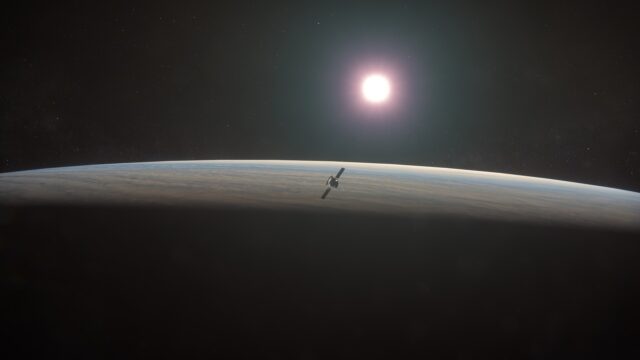
The European Space Agency (ESA) is moving forward with the development of a robotic mission to Venus, named Envision, after NASA officials determined they were unlikely to fulfill a commitment to provide a US-built radar instrument for the spacecraft.
Background on the Envision Mission
The Envision mission will map the Venusian surface at 10 times higher resolution than the last radar mission sent to Venus by NASA in the 1990s. The planet's surface is shrouded in a thick blanket of sulfuric acid clouds, making it invisible to optical cameras in orbit. Radar is the most effective way to penetrate these clouds and reveal the terrain below. Scientists will use Envision to search for signs of active volcanism.
Partnership Between NASA and ESA
In 2024, NASA and ESA signed a memorandum of understanding outlining their partnership on Envision. NASA agreed to provide a US-made synthetic aperture radar instrument, Envision's primary means of mapping the surface of Venus, as well as tracking and communications support through NASA's Deep Space Network. In exchange, ESA would include US researchers on Envision's science team.
Challenges Facing NASA's Budget
NASA's budget for science missions is under pressure from the Trump administration, which proposed slashing the agency's science funding nearly in half in fiscal years 2026 and 2027. Although Congress rejected most of the cuts in 2026, passing a budget with $2.54 billion for NASA's planetary science division, this is still about $220 million shy of last year's funding. This shortfall is forcing NASA managers to make tough decisions, with the primary targets for cuts being operating missions beyond their original design lives and support for partnerships on international missions.
Comments
No comments yet. Start the discussion.