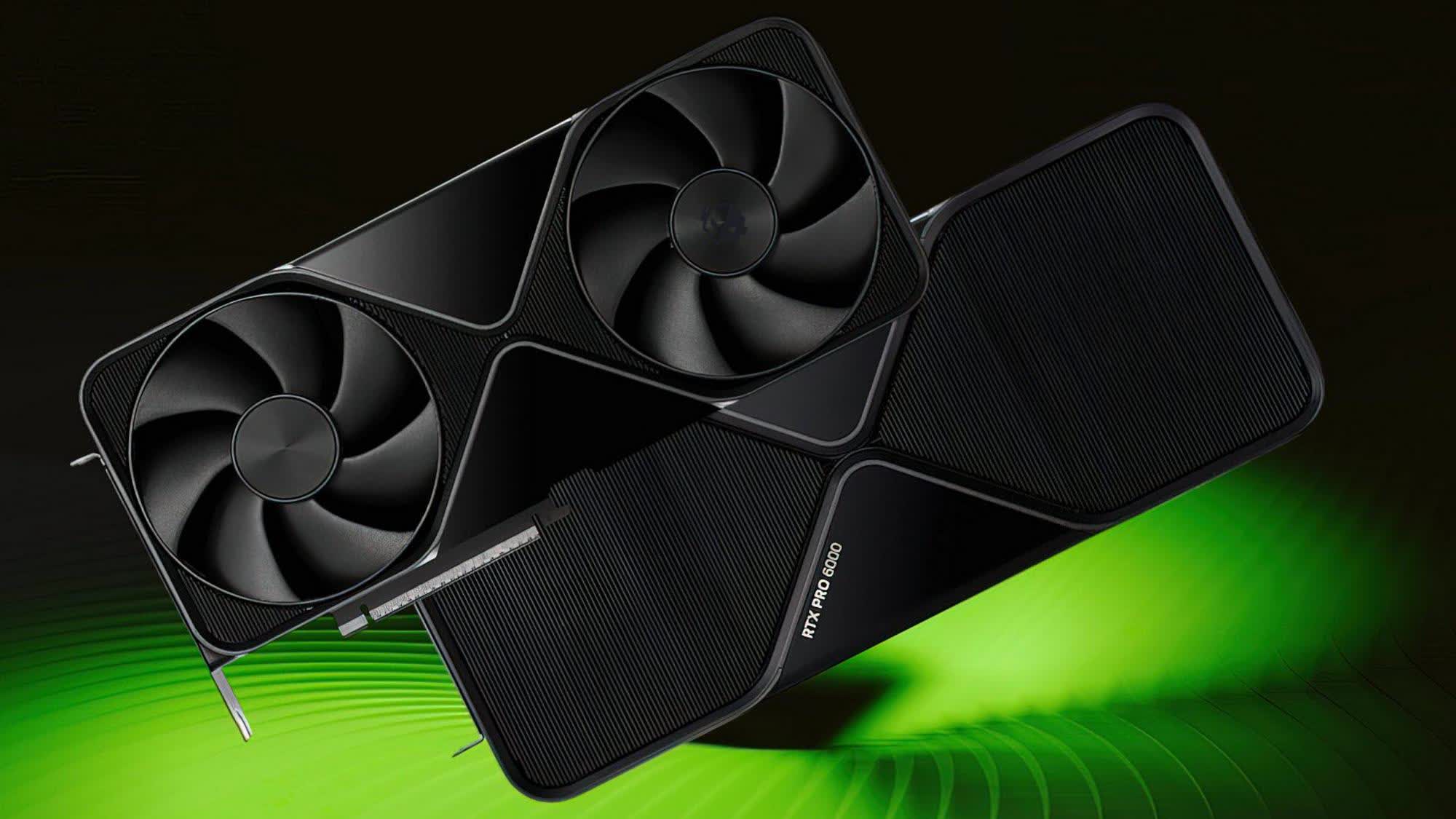
Nvidia raises RTX Pro 6000 Blackwell price to a staggering $16,000
Facepalm: Nvidia has raised the price of its RTX Pro 6000 96GB Blackwell workstation GPU to an astounding $16,000, marking a 110% increase over its $7,600 pre-order price. Over the past few months, Nvidia has also increased prices for its consumer GPUs by as much as 150%, with high-end cards such as the RTX 5090 and RTX 5080 seeing the largest hikes. The RTX Pro 6000 has gone through multiple price revisions since its launch, driven by the AI-fueled memory crunch. It originally went on pre-order for just over $7,600 in early 2025 before being listed online at around $8,500 the following month. By June 2026, the price had risen to more than $13,000, already representing a hefty 80% increase over the original launch price. The latest increase means the card is now more than twice as expensive as it was when it launched last year. Nvidia has also been hiking prices for its consumer GPUs over the past few months. As we noted in our detailed report on rising GPU prices in 2026, the RTX 5090 costs well over $4,000 as of August 2026, having launched earlier this year at what was already a steep $2,000. Even a decidedly mid-range card like the RTX 5070 is now going for around $900 on Newegg and Amazon - a nearly 65% increase over its $549 launch price. The entry-level RTX 5050, meanwhile, now retailing for more than $300, despite launching with an MSRP of $249. The price increases are largely being attributed to the ongoing memory crunch, which some industry insiders believe could last for several more years. Last month, SK Hynix CEO Kwak Noh-Jung predicted that 2027 will be the worst year ever for the industry, with demand continuing to outstrip supply even beyond 2030. Earlier this month, prominent computer science researcher and software performance expert Daniel Lemire described the skyrocketing memory prices as a "historical anomaly," noting that the increases have effectively erased decades of steady, exponential cost reductions. Unfortunately for consumers, the memory crunch has had a cascading effect across the entire consumer electronics sector, triggering higher prices for laptops, desktops, smartphones, video game consoles and many other devices.
Comments
No comments yet. Start the discussion.