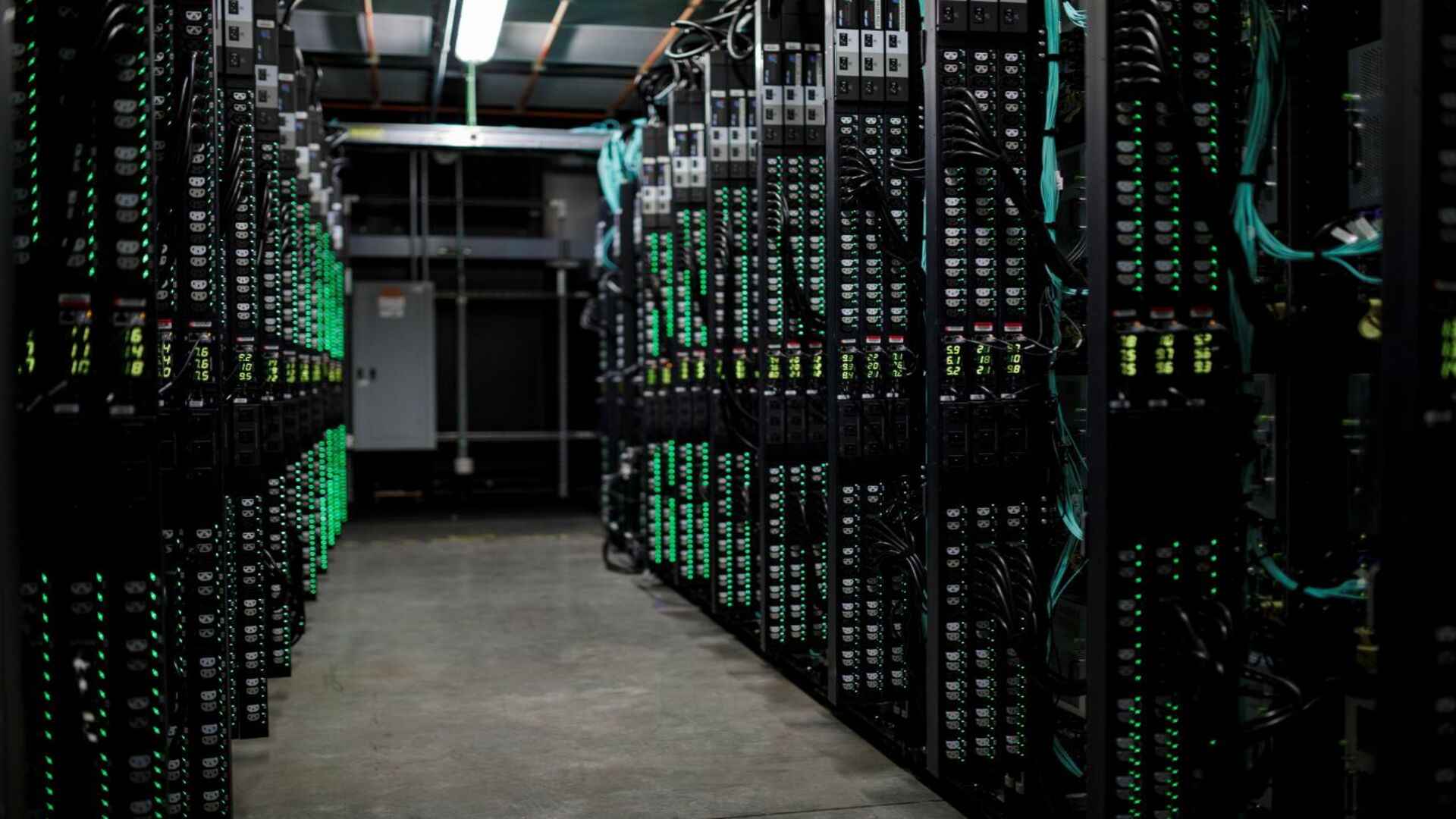
South Africans join Thais and Americans in rejecting data centers as clashes over water and power resources mount
South Africans Join Thais and Americans in Rejecting Data Centers
South Africa faces opposition to new data centers as communities question electricity, water, and transparency issues surrounding digital infrastructure expansion.
South Africans join Thais and Americans in rejecting data centers as clashes over water and power resources mount. South Africa hosts 70% of Africa's data centers, but residents are now pushing back.
Growing Scrutiny Around Digital Infrastructure Expansion
South African groups demand reviews before approving more data center projects. Cape Town's water crisis memories fuel opposition to new facilities. Equinix's planned facility raises concerns about electricity consumption levels.
Civil rights organizations across South Africa are pushing for a pause on new data center construction while resource concerns get investigated. They argue scarce water, land, and electricity supplies need proper scrutiny before any further approvals move forward.
Major Players Push Back on Pause Calls
The push places South Africa alongside Thailand and the United States, where similar community pushback has emerged in recent months. According to South African President Cyril Ramaphosa, South Africa hosts 70% of Africa's total data center capacity, and he believes this dominance is an economic opportunity.
Major American technology firms, including Amazon, Microsoft, and Equinix, have steadily expanded their digital infrastructure footprint within the country. The South African Human Rights Commission says it received more than 250 submissions after inviting public input back in May 2026.
Transparency Concerns
South Africans are mostly concerned about the transparency with which the government handles the entire process. "A key issue emerging from the process is precisely the availability, consistency, and transparency of information relating to matters such as electricity and water demand, land use, infrastructure requirements, environmental impacts, and impacts on surrounding communities," said Dr. Eileen Carter, who leads the commission's preliminary process.
Contested Projects
One especially contested project involves an Equinix hyperscale facility approved for construction in Cape Town, a city with a painful memory of near-catastrophic water shortages. Cape Town narrowly avoided what residents called "Day Zero" back in 2018, when officials predicted municipal taps would run completely dry.
That facility alone is estimated to require roughly 160 megawatts of electricity, reviving old anxieties tied to the nation's rolling blackouts. Investors and operators push back on pause calls, arguing that clarity in handling these concerns benefits everyone.
Uncertainty and Regulation
Eskom, the country's national power utility, reported a surplus during this year's winter peak-demand season despite past supply troubles. Still, civil society groups remain wary that this surplus capacity could simply get redirected toward powering new data facilities instead.
Residents believe that clarity in handling these concerns benefits everyone, but this does not seem to be the idea of some major players. "Serious investors are not deterred by clear rules. They price uncertainty, and an unregulated boom is the most uncertain environment of all," said Pitso Tsibolane, senior lecturer in Information Systems at the University of Cape Town.
Data Center Operators and Resource Commitments
At the moment, data center operators in South Africa are not required to disclose their actual water, electricity, and land commitments upfront, and this is a major problem. Sasha Booth-Beharilal, who chairs the Internet Service Providers Association, pushed back against framing data centers as a driver of scarcity.
She maintains that rising electricity demand from these facilities has not contributed meaningfully to South Africa's broader tariff increases or shortages. Operators also caution against comparing local projects directly to sprawling American data centers, since resource footprints differ substantially between the two contexts.
Comments
No comments yet. Start the discussion.