IBM to offer access to a dual-processor quantum system in 2027
The company plans on linking two 520-qubit chips before next year is over.
IBM's Quantum Developer's Conference is being held this week, and the company is using the gathering to provide an update to its roadmap: It is aiming to make error-corrected quantum computers before the decade is out.
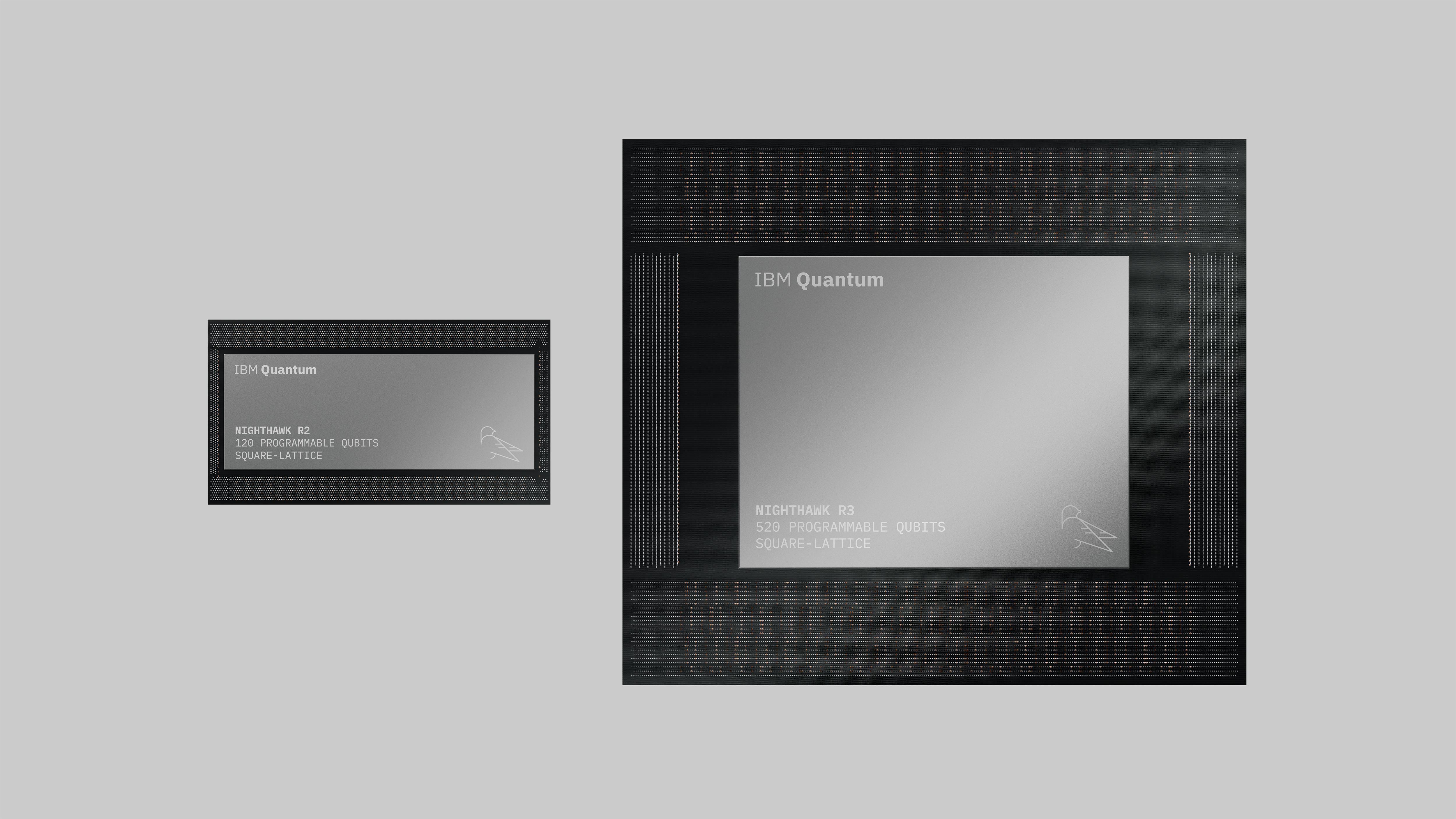
The changes greatly expand the scope of its next-generation Nighthawk general-use processors by adding a version with over 500 programmable qubits. At the same time, it's stepping back a bit on its plan to link multiple Nighthawk processors together, dropping the intended number of linked systems from nine to two.
The total number of qubits planned for next year will remain the same; how the company is getting there, however, will be different. Meanwhile, the company is touting the performance boost achieved via a major change that was made in the generation of Nighthawk processors released in September: hardware-based qubit resets.
Parallel roadmaps
IBM's most recent roadmap to error-corrected quantum computing has two parallel tracks. One is focused on technical development, with the company testing technologies it will need to build error-corrected hardware, but that may not be useful outside of that context. The other is public-facing, focused on delivering high-performance processors for people interested in testing algorithms on quantum systems today.
The reason for this split is that IBM plans to use an error-correction "code" that requires a specific number of hardware qubits connected in a specific geometry, along with additional hardware qubits needed to perform operations on that code. You could potentially run some algorithms directly on this hardware without error correction, but it wouldn't necessarily be optimal. So IBM is also offering a more general-purpose processor in parallel, called Nighthawk.
For past generations of its processors, the company has often developed revisions that improve performance in various ways. So while the roadmap lists only one processor labeled Heron, there were two subsequent revisions to Heron after its release.
Throughout 2028, however, the company's public-facing track will see nothing but revisions to the current generation of processors, called Nighthawk, which started with 120 hardware qubits and the expectation of performing about 5,000 gate operations before errors become too likely to rely on its output.
Comments
No comments yet. Start the discussion.