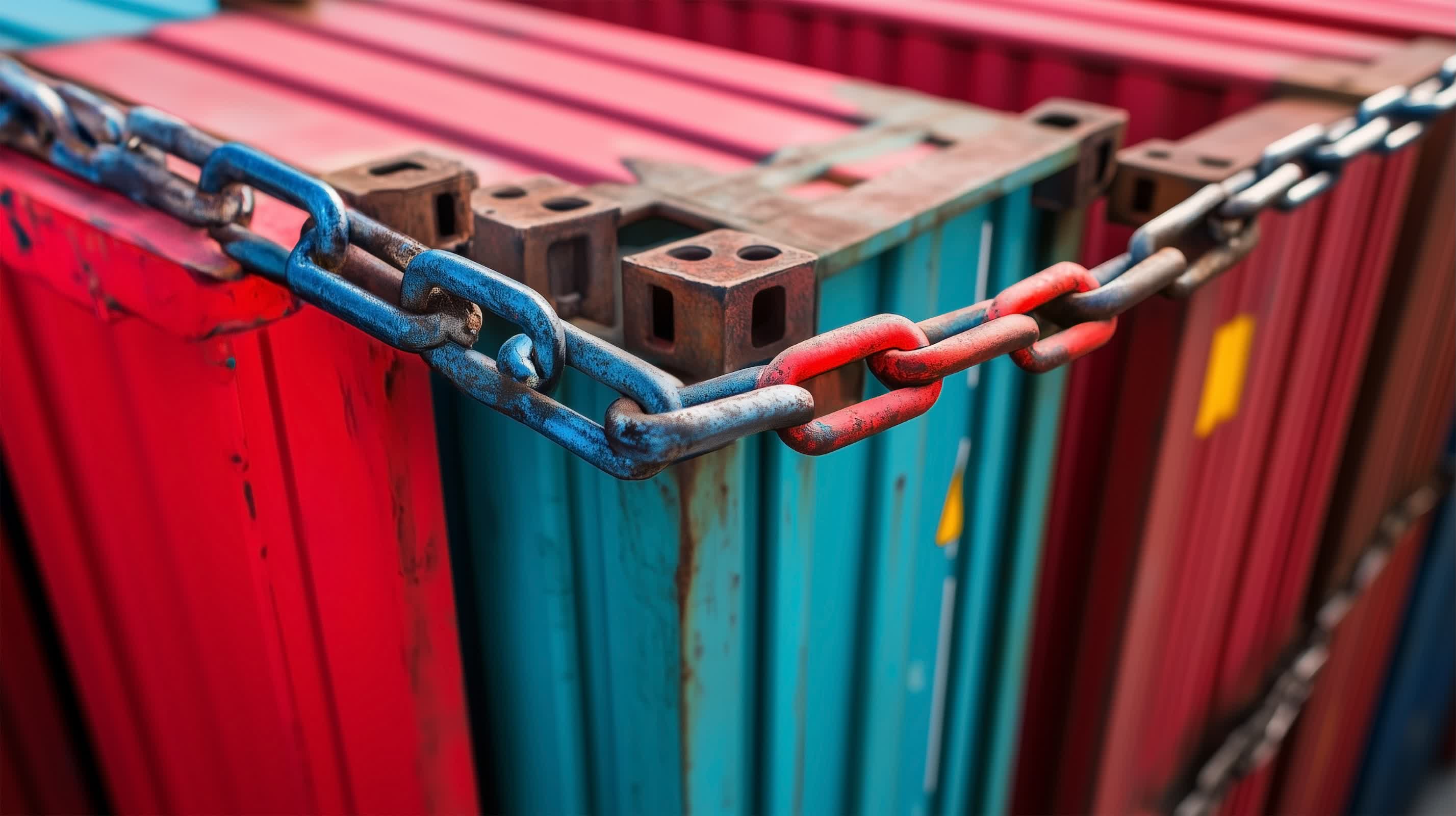
Cargo thieves are staging car crashes to steal AI data center hardware
TL;DR: Cargo thieves are targeting equipment used in AI data centers, from server switches to cooling systems and networking hardware. In two recent California cases, criminals appear to have used car crashes to separate trucks from their security escorts before the shipments vanished. The incidents highlight how organized groups are using carrier-identity fraud, GPS manipulation and, increasingly, aggressive roadside tactics to steal high-value technology moving through the freight network. The shipments were moving from Silicon Valley to Southern California, according to Gerardo Pachuca, a freight security consultant and former Los Angeles sheriff's detective. Each truck was being followed by a private escort vehicle. In one case, another driver rear-ended the escort car and fled. In the other, a vehicle hit the escort in what appeared to be a PIT maneuver, causing it to spin. The trucks kept moving after the escorts were disabled, but they did not reach their destinations, Pachuca said. The drivers and the equipment have not been found. Wired could not independently verify the incidents because Pachuca did not provide enough details to identify the cases, citing ongoing investigations. Still, two freight industry sources said they had heard about the attacks. J.J. Coughlin, chairman of the Southwest Transportation Security Council, said an escort company reported an attack while protecting "high-value technology." Danny Ramon, director of intelligence and response at freight-monitoring software company Overhaul, said law enforcement sources told him about the rear-ending incident. He called it a "coordinated assault" involving "AI hardware." No one was injured. Pachuca, Coughlin, and Ramon believe the truck drivers may have been involved, though the cases remain unresolved. "It's the worst I've seen," Pachuca says of cargo theft nationwide. "The methods they are using, the value they are getting, the frequency these crimes are occurring." The thefts come as data center construction expands and the value of the equipment inside those facilities rises. AI systems require costly chips, servers, switches, optical equipment, and cooling components. Those products can be moved through regular freight networks, often with security practices that do not reflect the value of the load. CargoNet, a Verisk business that tracks cargo theft, reported that theft incidents fell 26% year over year during the most recent quarter. But the value of stolen goods more than doubled. The shift reflects growing interest in expensive goods, including metals, computer equipment, and network hardware. In April, thieves allegedly took 34,560 optical transceiver cables and 96 network switch modules that were being shipped from Olive Branch, Mississippi, to Richardson, Texas. The equipment was intended for data center use. Law enforcement has recovered some stolen technology. Southern California authorities announced in May that they had seized $4 million in allegedly stolen cargo, including data center cooling equipment made by Deepcool AI. One person was arrested. In June, California Highway Patrol recovered more than $2.2 million in merchandise allegedly stolen in three separate incidents. The recovery included eight pallets of Celestica server switches made for Meta, valued at $550,000. That same day, authorities in the Chicago area found a trailer carrying about $1 million in equipment headed for data centers. Many cargo thefts do not involve forced entry or armed robberies. Instead, thieves exploit weaknesses in how freight is booked and verified. A common approach is to gain access to a legitimate trucking company's email account through phishing or social engineering. The thieves can then use that company's credentials to book freight loads. In other cases, they use motor carrier numbers that were improperly sold by legitimate businesses. Those federal registration numbers can make a fraudulent carrier appear established and trustworthy. Pachuca said the two California cases involving escorts used recently sold motor carrier numbers. Sergeant Omar Morales of the California Highway Patrol said the Meta server switches were taken through a similar impersonation scheme involving falsified carrier documents. "These are very sophisticated, very organized criminal organizations," says Ben Wilkens, director of cybersecurity at the National Motor Freight Traffic Association. Shippers are turning to technology to reduce the risk. FLS Transportation Services uses employee training and a paid monitoring service to identify suspicious carriers. The company also places GPS trackers directly on high-value shipments. Pachuca said one California client installed Flock license-plate cameras and found people watching its site for trailers carrying valuable products. Another client began scanning driver's licenses to catch fake identities. Escort companies are also reconsidering their procedures after the recent attacks. Some are advising drivers to call 911 as soon as they suspect they are being followed or targeted. "Reporting structures and standards vary from one state to another, and the prosecution rates are low enough that this is a very high-reward, low-risk crime," says the freight trade body's Wilkens. "It's easy money."
Comments
No comments yet. Start the discussion.