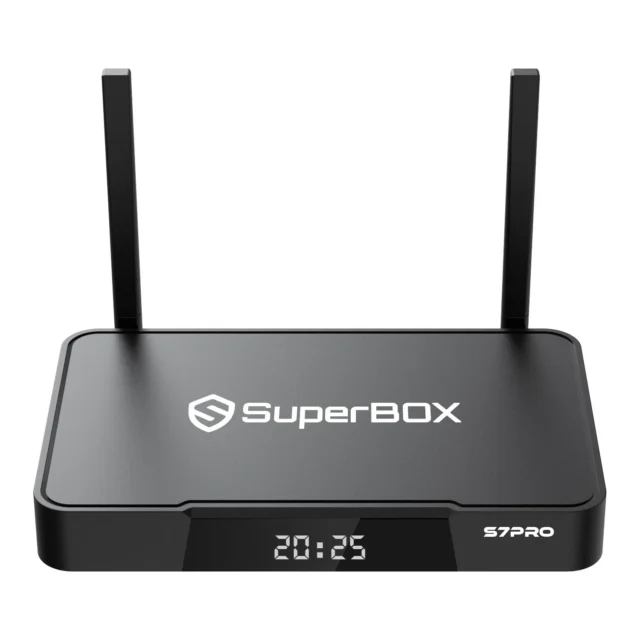
Think twice before installing this device promising free movies
As online services get better at blocking malicious traffic, the attackers and scammers behind them have been forced to find new ways to reach their targets. The alternative of choice is now what are known as residential proxy networks. These systems funnel millions of home Internet connections into a unified network, and the proxy operators allow attackers to route their malicious traffic through these connections for a fee. The online services see only IP addresses with good reputations and geolocations that don’t stand out. More often than not, the home users have no idea that their connections are being used to facilitate crime and occasionally even nation-state attacks. Users who do know often don’t care much. In exchange for leasing out part of their unlimited bandwidth to others, many get free movie and TV show streaming. Several less tech-savvy people I know who own such digital media players have told me, after I explain how the media players piggyback off their connections, that the bonanza of content is worth it. They find the tangible benefits outweigh the abstract harm they pose. Infecting already compromised devices Research published Monday brings the threat into much clearer view. Security firm Plume cataloged a vast ecosystem of malware that preys squarely on users of SuperBox, just one of many media players offering pirated content. These malicious apps can be surreptitiously installed by remote attackers even when the devices are positioned behind a router. While Monday’s deep-dive analysis focused exclusively on SuperBox, Plume warned that dozens of similar streaming devices pose precisely the same threat. “Our researchers found that these residential proxy networks are not simply monetization tools,” Plume researchers wrote. “They are actively being used as a target for additional malware delivery, enabling cybercriminals to infect already-compromised devices with entirely new malware families while remaining largely invisible to the device owner.” For the curious, this is tantamount to having a passwordless Telnet connection sitting in full view. Based on the other material in the article, also passwordless sudo. Its one thing if you're just trying to isolate some dopey thermostat or TV, but something openly malicious controlled by entities with zero legal accountability is another whole thing.
Comments
No comments yet. Start the discussion.