This British farm is running AI on pig muck - and it could lead to a major windfall for farmers energy income, earning ten times more than the grid
This British farm is running AI on pig muck - and it could lead to a major windfall for farmers energy income, earning ten times more than the grid
This company is using renewable energy from pig slurry to power decentralized AI data centers, significantly increasing income compared to grid sales.
British farms are powering small AI data centers with pig slurry. British farms can now convert pig slurry into electricity to power AI data centers. Powering compute generates 10x the income of selling this energy to the grid. Cryptocurrency mining helps farms recover investment costs in just four years.
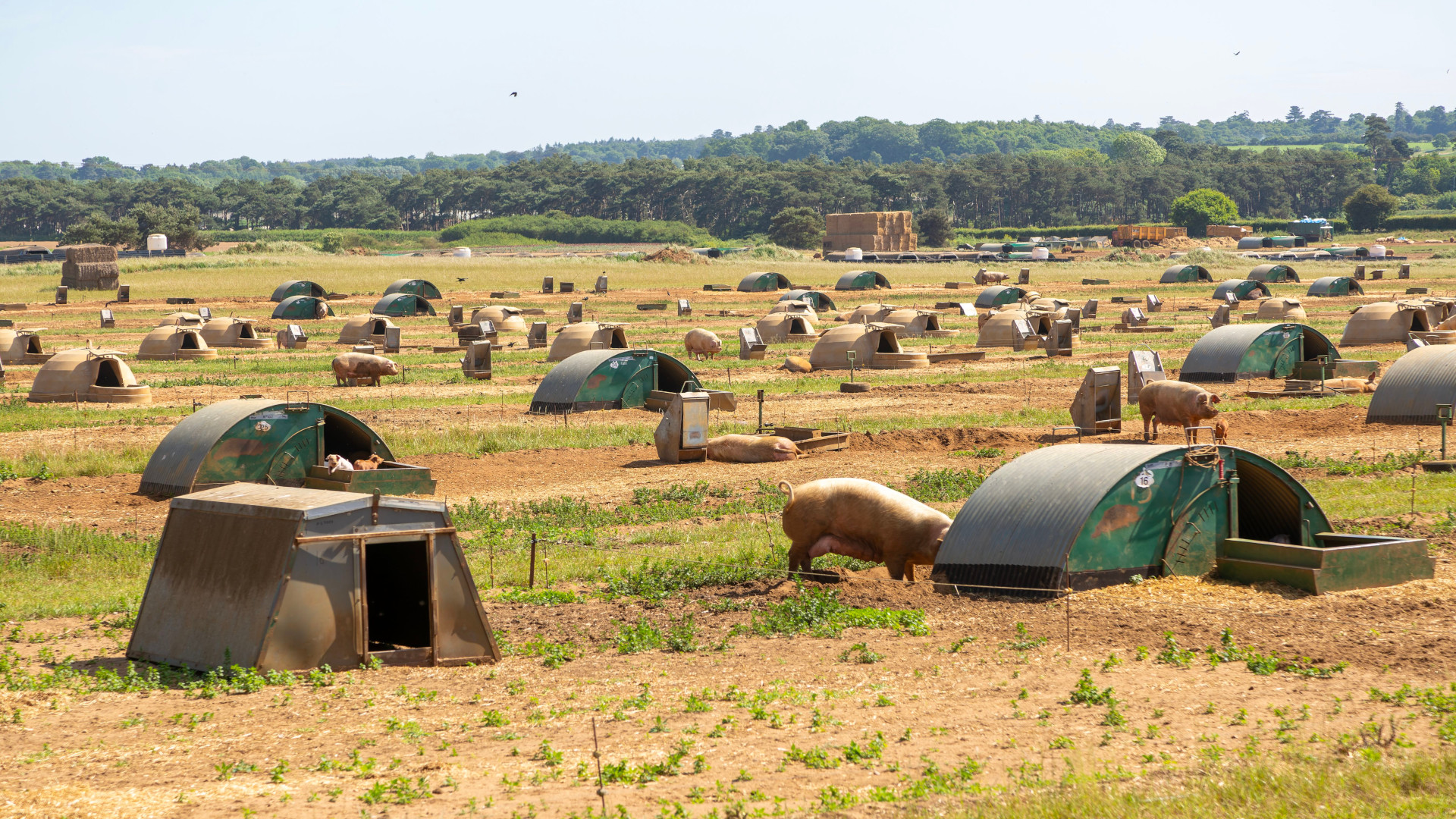
One farm in Britain is now using electricity generated from pig slurry to power a small AI data center, allowing the otherwise agricultural facility to house its own decentralized hub powered by a type of renewable energy. Among the key benefits are that the energy is both generated and consumed on-site, making it highly efficient.
The process works by using an anaerobic digester to convert pig slurry into biogas, which is then converted into electricity. The first site, within the northwest of England, is being operated by Easy Compute through its Green Compute network, which installed and manages computing hardware at farms.
One man’s trash is another man’s treasure
According to the report, selling renewable power like this to the grid typically returns around 8-12 pence per kWh, or around one-third to half of the cost consumers pay per kWh at home. But Easy Compute claims that using the electricity for AI computing can actually lead to generating 10x as much income, with its largest partners reportedly earning tens of thousands of pounds per month from computing services.
Importantly, the additional income could help to offset renewable energy investments, which could partly power other farming operations. Anaerobic digesters would usually take 12-15 years to repay their cost, the company says, but this could be reduced to around four years by installing a computing network and renting out capacity to businesses on a pay-as-you-go basis.
Customers are given the choice of paying using the network’s own token to receive a 10% discount on compute credits as well as assurance that the underlying compute is powered by verified renewable energy, which could be an important consideration for those with specific ESG goals.
Does the future of data centers look less centralized, more renewable?
Green Compute also connects some of its hardware to Bittensor, a blockchain-based AI network. When demand for commercial customers falls, the farm’s computers can even switch to earning cryptocurrency to keep them financially productive around the clock, speeding up that all-important payback time.
Crucially, with hyperscale AI data centers facing increased scrutiny, local opposition and setbacks, these decentralized data centers could plug some of the emerging gaps.
“We take waste that a farm already has, turn it into clean power, and point that power at the computers the AI industry is desperate for,” CEO Josh Riddett noted.
This, of course, comes at an important time for British farming, which is currently under immense pressure from government policies to generate food and other goods with dwindling rewards. Not only can they earn an additional income stream and make their investments back on renewable energy sooner, but they can also factor this renewable energy into their regular farming operations to reduce operation costs.
“The farmer earns far more than they would from the grid - and now they can earn cryptocurrency on top, through networks like Bittensor,” Riddett added.
Comments
No comments yet. Start the discussion.