US prosecutors charge Atlanta man after GrapheneOS phone wipes itself during airport search
The Legal Case
A hot potato: A federal case in Atlanta is raising questions about a privacy-focused mobile operating system, with prosecutors arguing that its features were used to erase evidence. The US Department of Justice is attempting to prosecute Atlanta resident Sam Tunick under a federal statute that makes it a crime to destroy property in an effort to prevent it from being seized.
The case centers on Tunick’s use of GrapheneOS, an open-source operating system that works on Google Pixel phones and lets users enter a passcode to wipe a device clean.
Experts said the legal approach is unusual and may be the first time the law has been aimed at an operating system. “It’s concerning - and sends the message that [GrapheneOS] is criminal by default,” said Christophe Boutry, a cybersecurity and surveillance expert. Boutry and Bill Buddington, senior staff technologist at the Electronic Frontier Foundation, both said they had not seen a similar case.
The Initial Incident
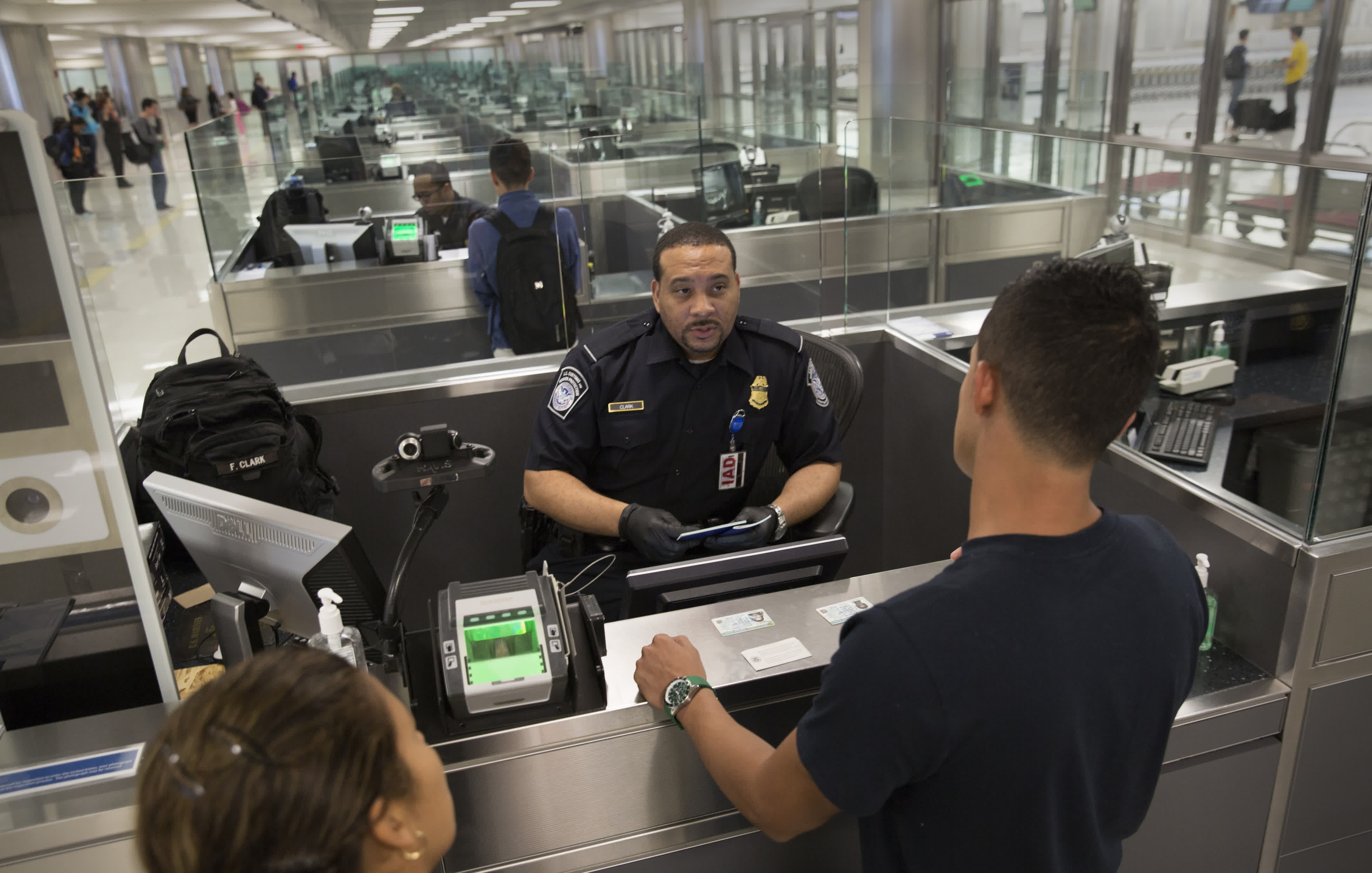
The incident began at Hartsfield-Jackson Atlanta International Airport on January 24 of last year. Tunick had just returned from a trip to the Dominican Republic when he was stopped for questioning. According to court testimony, federal agents had already circulated his name and photo internally, saying he was under investigation for “suspected terrorism activities” because of his alleged association with the movement against Cop City.
Tunick was taken to a secondary screening room, where multiple agents questioned him. A motion filed by his defense argues the interrogation focused on child sexual abuse material as a pretext for investigating his connections to the protest movement. The motion also states that Tunick asked four times to speak with a lawyer and was denied each time. According to the same filing, agents did not present a warrant or read him his rights.
Government attorneys and agents pushed back during Monday’s hearing. They described the encounter as a routine airport inspection. Larry Findley, a Customs and Border Protection officer, said agents were “looking for anything that’s prohibited.”
The Phone Wipe and Legal Reactions
During the questioning, agents repeatedly asked Tunick to unlock his phone and warned they would seize it if he refused. When he finally provided a passcode, the phone appeared to restart. The defense motion states that “the screen went blank, flashed several times, and the phone appeared to restart,” resulting in the loss of data.
The wipe is now central to the case. Prosecutors are treating it as an intentional act to destroy evidence, while the defense argues that the search violated Tunick’s constitutional rights and that the evidence should be suppressed.
The case raises questions about which constitutional rights apply at US borders, including international airports, where authorities have broader search powers. A judge is not expected to rule on the defense motion until at least late October.
Broader Privacy Concerns
GrapheneOS is designed to improve privacy and security on Pixel phones. Supporters say those tools are legitimate security protections, not evidence of criminal intent.
Boutry pointed to France and Spain, where authorities have struggled to gain access to secured devices. He said authorities have treated the use of GrapheneOS itself as suspicious. In Catalonia, Spain, police have been profiling people carrying Pixel phones, assuming they have GrapheneOS installed and are drug dealers or gang members. “The main goal [of the operating system] is protection of privacy,” Boutry said. “They’re our phones and the state can’t tell us how to use them.”
Ties to Cop City
The case is tied to ongoing opposition to Cop City, a $109 million police training facility that opened last spring. The project has drawn opposition from activists concerned about police militarization and environmental impacts. Law enforcement officials have defended it as necessary for training and recruitment. Previous attempts to prosecute protesters at the state level have foundered, while federal authorities have more recently stepped in, including a separate indictment announced last month.
Comments
No comments yet. Start the discussion.