Zero Trust Starts at the Code: Building Secure Systems with PKI and DevOps Automation
When a certificate expires, it can take down a production system, and teams usually only find out after something goes wrong. These issues are hard to catch because they rarely trigger alerts. Expired certificates often remain unnoticed in a config file or an old key until they cause trouble.
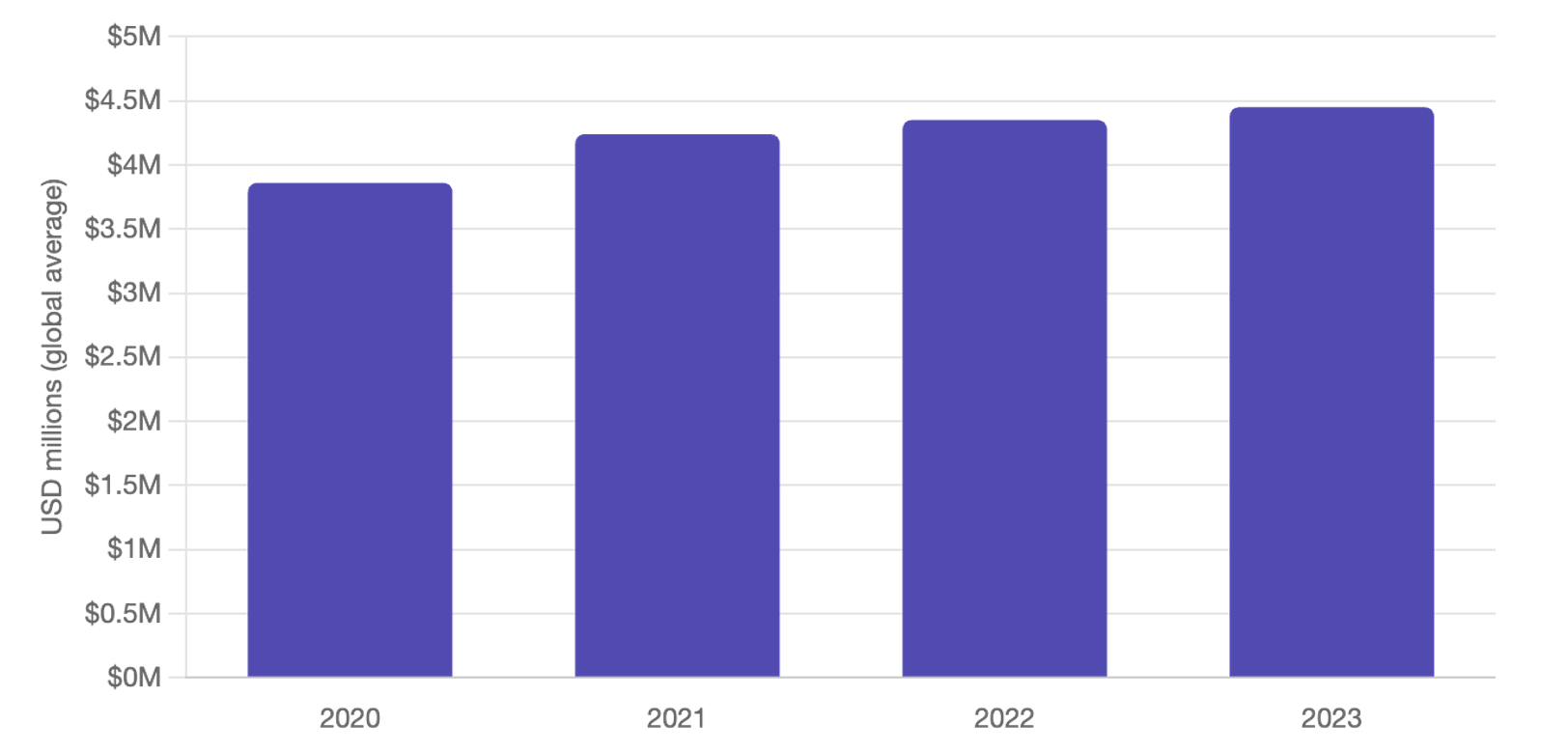
Enterprise apps are no longer single, self-contained programs. Today, a typical app includes many services, APIs, mobile clients, and new cloud workloads are added all the time. Instead of asking, “Are we secure enough?” it is better to ask whether security was built in from the beginning or added later. Most teams still add it later, which often ends up costing more. According to IBM’s 2023 Cost of a Data Breach Report, the global average cost of a data breach is $4.45 million, and credential and identity failures are a common cause.
The Cryptographic Foundation Most Teams Overlook
Much of this depends on Public Key Infrastructure (PKI), but many teams do not fully understand how it works. Some engineers treat TLS as just another requirement. If a site loads over HTTPS, they assume it is secure. What often gets overlooked is how to keep certificates trustworthy over time, from issuance to rotation or revocation. In places like banks or hospitals, this gap is a real problem, not just a theory.
Practices such as the following are now standard:
- Certificate pinning
- OCSP stapling
- Use of short-lived certificates
The main idea behind PKI is that nothing is trusted by default. Every user, service, and device must prove its identity with cryptography and keep proving it.
Automating Trust Through PKI Certificate Lifecycle Management
Manual management does not scale well. Certificates might expire late on a Friday, and while one environment gets renewed, others might be missed. Sometimes, a trust chain is set up incorrectly, and no one notices until something fails. These problems are common but almost always preventable.
This is where the pipeline helps. By connecting certificate issuance, renewal, and revocation to your Azure DevOps pipelines, you do not have to depend on someone remembering the rules. Add a key vault, schedule secret rotation, and set up trust stores for each environment. This approach works in development, staging, and production. In the past, cryptography and DevOps were separate skills, but now engineers who know both are building systems in which trust is verified automatically rather than assumed.
CI/CD as a Security Boundary
When you put all that enforcement into the pipeline, it becomes a target in need of protection. Attackers realized this before many defenders did. If someone breaks into a build system, they do not need to attack production directly. Every artifact created can carry its own payload. SolarWinds is a well-known example. The attackers did not hack each victim individually. They compromised the build, and the trusted update spread the attack.
This trend is increasing. Sonatype’s 2023 report found over 245,000 malicious open-source packages in just one year, which is more than in the previous four years combined.
Treat CI/CD as the main security boundary. Apply these measures:
- Require signed commits.
- Run SAST in the pipeline, not as an afterthought.
- Check container image signatures before releasing anything.
- Keep secrets completely out of code. Do not just redact them; never include them at all.
Tools can help, but no scanner can fix a careless pipeline. Pay as much attention to pipeline access, required credentials, and outputs as you do to certificate trust.
Extending Trust to Mobile and Edge
Your application runs outside your servers, so your security should as well. Use the same pipeline practices for mobile, and you will have consistent enforcement wherever your code runs. Give each device a certificate-backed identity, encrypt its data, and require mutual TLS. This way, security does not depend on the network. Using a phone on hotel Wi-Fi is not risky if it can prove its identity and both sides authenticate each other.
The Real Challenges
None of this is easy. Running PKI at scale is difficult, and there is a real skills gap. A compromised pipeline can do more harm than it was meant to prevent. Tool costs can also add up quickly. For many organizations, the only practical way is to make these changes gradually, step by step.
But the hardest challenge is usually organizational, not technical. Developers are used to being rewarded for shipping quickly. Asking them to focus on certificate rotation and pipeline security is a big change, and a policy memo alone will not be enough. It takes real buy-in and a shift in what the organization values.
The Developer’s Role Has Evolved
The job has changed quietly. Building features and building secure systems are now the same task. Teams that treat security as just a final review keep running into the same problems. The teams that succeed design for security from the start, let the pipeline enforce it, and keep checking trust as the system runs.
Conclusion
In the coming years, the most resilient systems will not be the ones with the most tools. They will be the ones that build trust into every layer, from PKI-backed identity to pipeline enforcement. Zero Trust does not start at the firewall. It starts in the codebase. Organizations that keep software delivery and security architecture separate will end up defending systems that were never meant to be trusted.
References
- IBM Security. (2023). Cost of a Data Breach Report 2023.
- Venafi. (2023). 2023 Machine Identity Management Development Survey.
- Sonatype. (2023). State of the Software Supply Chain Report.
- NIST. (2022). Secure Software Development Framework (SSDF), SP 800-218.
Comments
No comments yet. Start the discussion.