Huawei promises up to 90:1 compression technology by using a proprietary dynamic algorithmic technique and a lot of SSDs
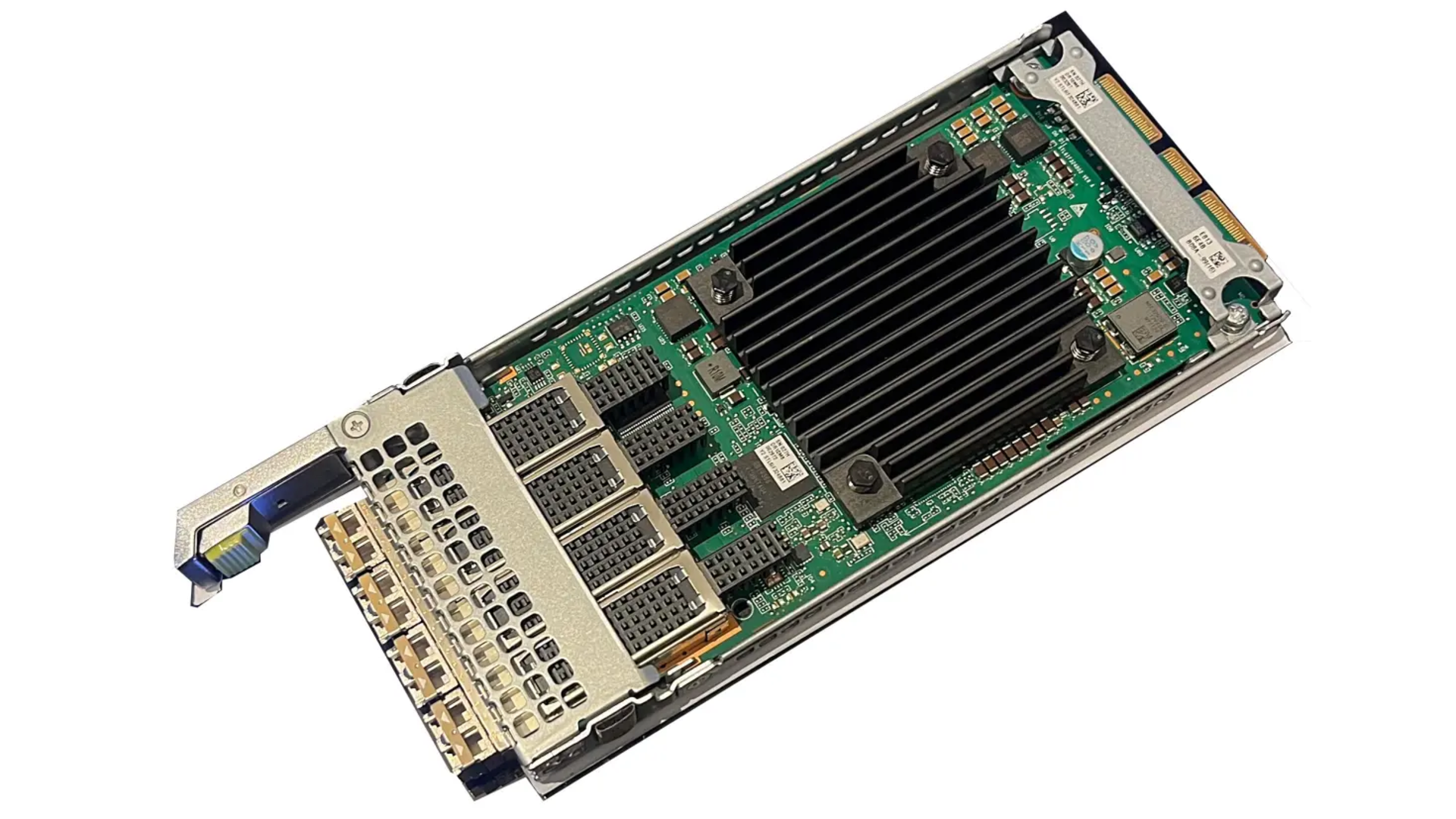
Huawei unveiled a compression card combining proprietary algorithms and SSD infrastructure to achieve claimed reductions reaching 90:1 under ideal conditions.
Huawei's new compression card claims a 90:1 reduction in capacity. Huawei claims backup compression ratios reaching an extraordinary 90:1 level. Patented algorithms sit at the centre of Huawei's reduction strategy. Four separate reduction stages shrink data before long-term storage.
Huawei has unveiled a hardware compression card claiming a data reduction ratio reaching as high as 90:1 under suitable workloads. The figure applies specifically to backup data carrying high redundancy, such as daily full virtual machine backups accumulated over time. Huawei says this result sits 20% higher than the leading alternative currently available across the enterprise storage market.
Patented algorithm built around a nonlinear transformation
The card forms part of Huawei's all-flash OceanProtect Backup Storage systems, including two newly announced models, the X8100 and X9100. Compression relies on a proprietary algorithm family Huawei calls HZU, described by the company as using a fast nonlinear transformation paired with lightweight context prediction methods. Huawei says this approach outperforms the long-established Lempel-Ziv compression paradigm, boosting the achievable compression ratio by roughly 30% under comparable conditions. The dynamic technique is patented, covering both the deduplication and compression methods used throughout Huawei's wider backup architecture.
Selecting the most suitable algorithm depends heavily on the specific backup policy and underlying data types involved in each deployment. Earlier generation OceanProtect systems achieved a comparatively modest 72:1 reduction ratio, meaning the newly announced generation also runs up to 50% faster.
Reduction pipeline relies on dense SSD deployment
Reduction happens across four distinct stages:
- Preprocessing designed to clean incoming data before further processing occurs.
- Multi-layer, inline, and variable-length deduplication.
- HZBC compression.
- Byte-level compaction applied to whatever data remains.
The compression card additionally offloads up to 22% of processing demand away from the backup system's main CPU during operation. That offload matters because OceanProtect systems rely on all-flash media rather than cheaper disk-based alternatives for storage. Huawei specifically uses QLC storage media paired with an adaptive SLC zone reserved for frequently accessed hot data. This combination is intended to support faster data recovery once backups eventually need restoring during outages.
Since SSD capacity costs considerably more than disk per terabyte, squeezing more effective storage out of the same physical drives directly improves the economics of an all-flash backup system. In that sense, the compression algorithm and the SSD architecture work together, with the algorithm doing the actual reduction and the flash media determining why that reduction pays off.
Prospective customers will likely need to test the OceanProtect platform directly against their own backup data sets. Whether customers experience reductions approaching 90:1 will likely depend heavily on datasets, retention policies, and real-world deployment conditions.
Via Blocksandfiles
Follow TechRadar on Google News and add us as a preferred source to get our expert news, reviews, and opinion in your feeds.
Efosa has been writing about technology for over 7 years, initially driven by curiosity but now fueled by a strong passion for the field. He holds both a Master's and a PhD in sciences, which provided him with a solid foundation in analytical thinking.
Comments
No comments yet. Start the discussion.