US startup founded by former teenage drone racers just won one of the Pentagon's biggest small-drone deals - Neros has shipped tens of thousands of UAVs to Ukraine and inked a $500M contract
Two drone-racers who were told they couldn't "waltz into the Pentagon" and sell weapons just won a $500 million US Army contract to do exactly that.
The Contract
- A startup founded by former teenage drone-racing champions won a US Army contract worth up to $500 million for its FPV attack drones.
- This marks the Pentagon's largest small-drone contract ever, running up till 2031 even as it grapples with taking on Chinese-built drones and components with a much smaller manufacturing base.
- This contract allows Neros to push for a 250,000 sq ft factory targeting one million drones annually by 2028.
Neros Technologies, founded in 2023 by former teenage drone-racing prodigies Soren Monroe-Anderson and Olaf Hichwa, has won a US Army indefinite-delivery contract worth up to $500 million for its Archer FPV attack drones. The contract runs through June 2031 and is among the largest of its kind. It comes off the back of tens of thousands of deliveries to Ukraine under a multinational drone-coalition contract. Neros maintains a Kyiv office supporting the country's war effort, where the Archer serves as a Chinese-component-free alternative to the cheap drones that dominate the market elsewhere. It marks one of the Pentagon's biggest commitments yet to the cheap, expendable aircraft that Ukraine's war has turned into the defining weapon of modern ground combat, and, increasingly, of the airspace just above it.
What is Neros' Archer Drone?
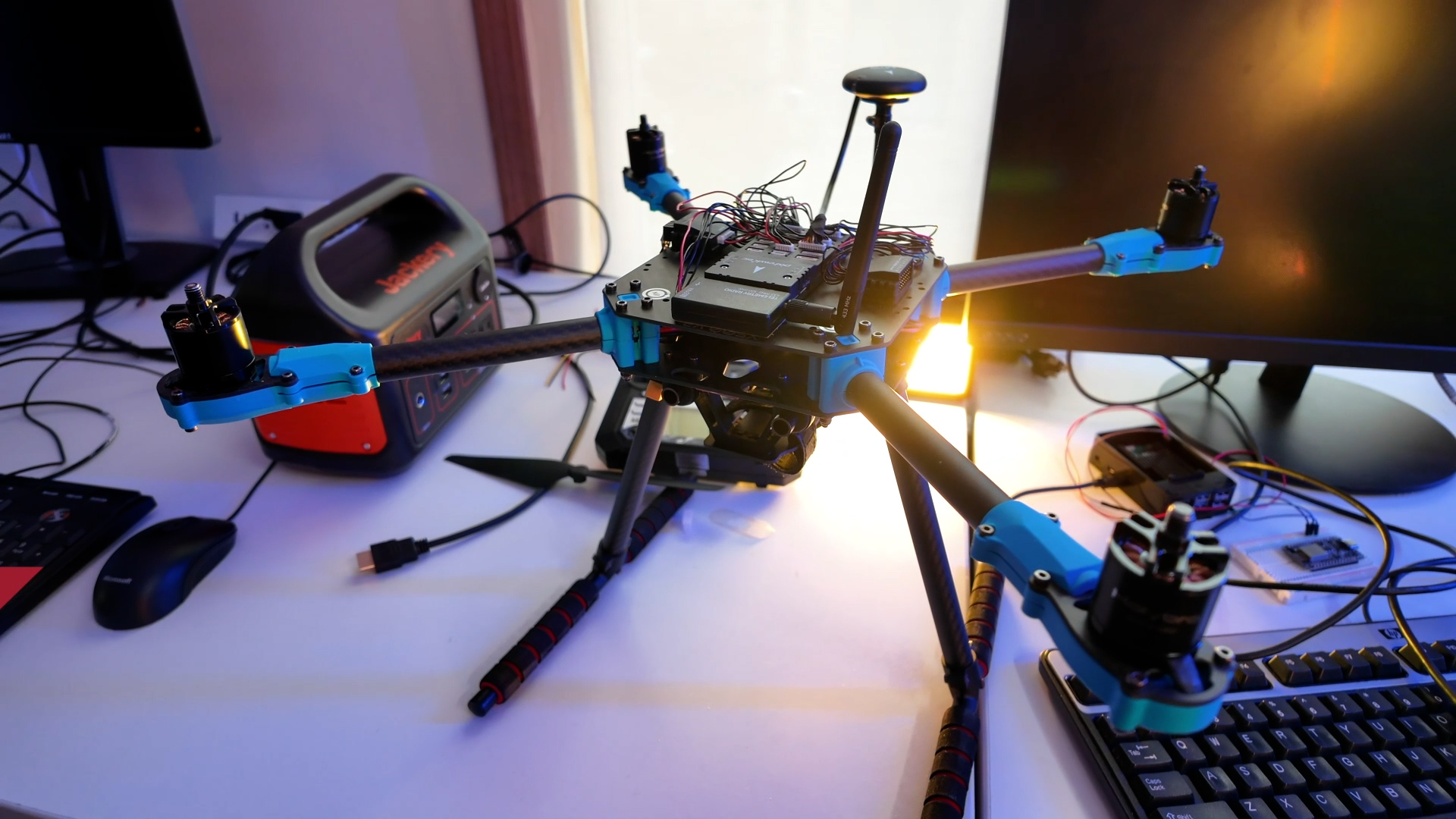
The Archer drone is arguably the most successful US-manufactured budget FPV drone to date. With two years of Ukrainian frontline use, deliveries running at a thousand-plus per month, and cumulative shipments in the tens of thousands, Neros has a record no other US maker comes close to matching on volume alone. The Archer is an 8-inch quadcopter carrying a 4.5-pound payload beyond 12 miles, built entirely without Chinese components: a rare mix that put Neros on the Pentagon's Blue UAS approved list and earned it Chinese sanctions.
The deal for Neros' Archer flows from the Army's Purpose-Built Attritable Systems (PBAS) program, which selected it last November as one of three primary manufacturers tasked with pushing modular FPV drones down to the platoon level, and it lands amid a service-wide procurement lurch: Army officials say they intend to grow annual drone purchases from around 50,000 to at least one million within roughly two years.
Sign up to the TechRadar Pro newsletter to get all the top news, opinion, features and guidance your business needs to succeed!
Neros is hoping not only to ride the wave but to capture the bulk of it: the endeavor that started with 30 basement-built drones the founders hand-delivered to Ukraine for testing is now aiming considerably higher, with the US military underwriting its ambitions.
Manufacturing and Capacity
There is a reason for this: Neros is the closest thing the US has to an answer to Chinese dominance in the industry. This year, it occupied Project Millennium, a 250,000-square-foot Los Angeles facility roughly 100 times its previous footprint, and it has publicly committed to reaching 1 million drones a year by 2028. If the promise holds, Neros would single-handedly increase current US drone capacity roughly tenfold: a 2025 estimate put total American manufacturing capacity at approximately 100,000 units a year.
For now, the Pentagon's Drone Dominance initiative, roughly $1.1 billion aimed at fielding some 300,000 low-cost attack drones by the end of 2027, keeps colliding with the fact that most American-made FPVs cost multiples of the roughly $5,000 per unit the military currently wants to pay.
Follow TechRadar on Google News and add us as a preferred source to get our expert news, reviews, and opinion in your feeds.
Rahim Amir is a UAE-based tech writer who enjoys building PCs as much as he enjoys writing about them. He has been professionally writing about PC hardware since 2023, focusing on buyer’s guides, hardware reviews, and sponsored content and features related to tech. Having built hundreds of gaming PCs and being an avid gamer in his spare time, Rahim tends to have stronger opinions about hardware than most. This is particularly on display when he gets his way with powerful, but minimalistic RGB builds even as Small Form Factor (SFF) PCs come a close second. You must confirm your public display name before commenting. Please logout and then login again, you will then be prompted to enter your display name.
Comments
No comments yet. Start the discussion.