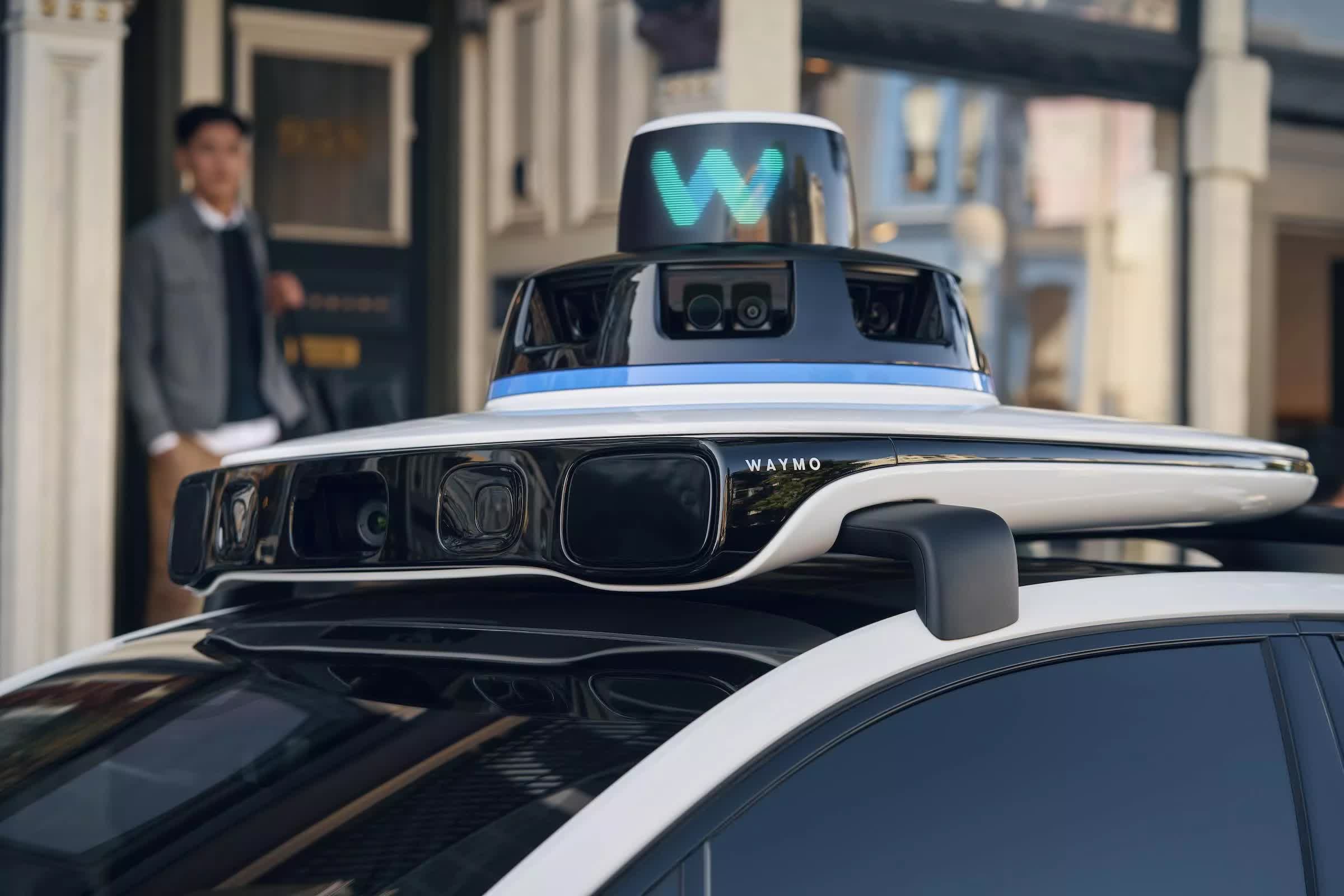
Waymo is recalling almost 3,900 robotaxis for driving into freeway construction zones
Waymo Recalls Nearly 3,900 Robotaxis Over Freeway Construction Zone Incidents
Waymo is recalling nearly 3,900 robotaxis following incidents in freeway construction areas. According to a safety recall report filed with the National Highway Traffic Safety Administration, the company's fifth-generation automated driving system may enter and drive at speed in freeway construction zones under certain circumstances, either because it fails to recognize the construction zone or prioritizes other freeway hazards.
The filing identifies 3,871 vehicles as potentially affected. It states that under certain circumstances, the system "may enter and drive at speed in freeway construction zones due to inappropriately prioritizing the avoidance of other freeway hazards and/or failing to recognize the construction zone."
The Incidents
The problem was not confined to a single event. On April 11, a Waymo vehicle was involved in an incident on a freeway, prompting the company to review how the system handled closures. Five similar events followed on April 19 in Phoenix. On May 18, seven vehicles in the San Francisco Bay Area drove between cones and into freeway lanes where construction was underway, a pattern that suggests difficulty reading temporary lane layouts.
Together, the incidents suggest a broader issue with how the system processes dynamic environments rather than a one-off failure.
The Technical Challenge
Construction zones are inherently inconsistent. Signage can vary, cones can shift, and lane configurations often change. For human drivers, those conditions demand judgment calls. Automated systems require accurate detection paired with real-time decision-making that can adapt.
The issue underscores a persistent technical challenge in autonomous driving: prioritization. These systems constantly evaluate multiple potential hazards – other vehicles, road debris, lane markings – and must decide which to respond to first. In the cases outlined by regulators, the system appears to have given higher priority to certain roadway risks while failing to fully account for construction-related restrictions such as closed ramps.
Waymo's Response
Waymo responded by restricting freeway driving in affected scenarios while it worked on a fix. The company's field safety committee put those limits in place shortly after the April incidents, and its safety board formally approved the recall on June 8 after reviewing additional data.
The remedy will focus on software updates. According to the report, Waymo plans to improve how its vehicles detect construction zones and determine when they are already inside one. The update is also expected to improve how the system behaves once a construction zone is detected and to add additional operational protocols.
Industry Context
Competition in the robotaxi sector continues to intensify. Uber Technologies, Lucid Group and Nuro recently announced plans to launch a robotaxi service in Houston next year, while Mobileye has said it is targeting a 2027 rollout. As companies move toward broader deployment, the ability to handle unpredictable, temporary road conditions is becoming a critical benchmark.
Comments
No comments yet. Start the discussion.