Activist charged with felony after giving border agent "duress code" that wiped his phone
The Incident
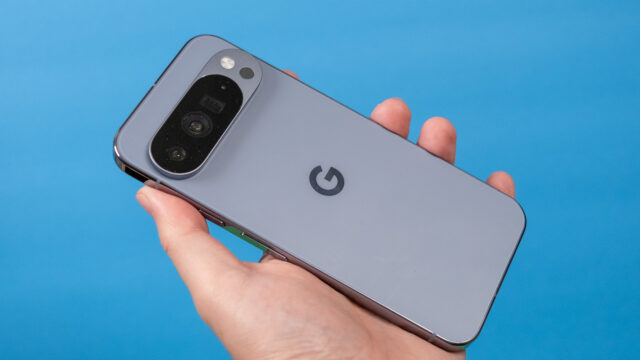
In early 2025, Atlanta resident Samuel Tunick was on his way home following a trip abroad. After landing in the US, customs agents demanded access to his Pixel phone, which was running an alternative version of Android called GrapheneOS. Rather than hand over his data, Tunick used a clever feature of the software to delete everything. Now, he’s facing federal charges.
The first hearing in this case happened last week, according to The Guardian, during which government attorneys and agents claimed that Tunick was subjected to a standard secondary interrogation at an international airport. During that encounter, agents were “looking for anything that’s prohibited.”
Background and Watchlist
Tunick’s legal team alleges he was targeted for his activism. Tunick was involved with a group called Defend the Atlanta Forest, which opposed the construction of an enormous law enforcement training facility in the area often known as Cop City. What Tunick didn’t know, according to his lawyers, was that he’d been placed on a watch list for his actions and that Customs and Border Protection had discussed over email plans to detain him upon his arrival back in the US for “suspected terrorism activities.”
During the interrogation, CBP agents told Tunick they wanted to search his phone for evidence of child sexual abuse, and if he didn’t unlock the device, it would be confiscated. The government has long asserted broad authority to examine and seize electronic devices at the border for virtually any reason. Tunick claims he was never read his rights and requested legal counsel several times, but the requests were denied.
The Phone and Duress Code
Privacy prohibited most interactions of this type with CBP would have ended with the government taking the phone, sending the owner on their way, and attempting to break into the device at a later date. Agents may also attempt to extract the data on the spot. However, Tunick’s Google Pixel was running GrapheneOS. This Android-based operating system is focused on maintaining user privacy with features like:
- memory protection
- auto reboot
- the duress code
The OS only supports Google Pixel phones from the Pixel 6 onward.
Legal Proceedings
The government says destroying his own data during an airport interrogation was illegal. Tunick now faces federal charges.
Comments
No comments yet. Start the discussion.