Waymo’s July 4 chaos in San Francisco raises new questions about how robotaxis can work at scale
Waymo’s July 4 chaos in San Francisco raises new questions about how robotaxis can work at scale
Call it AV déjà vu: Once again, Waymo’s performance during a major disruption is raising questions about whether it is ready to operate at scale.
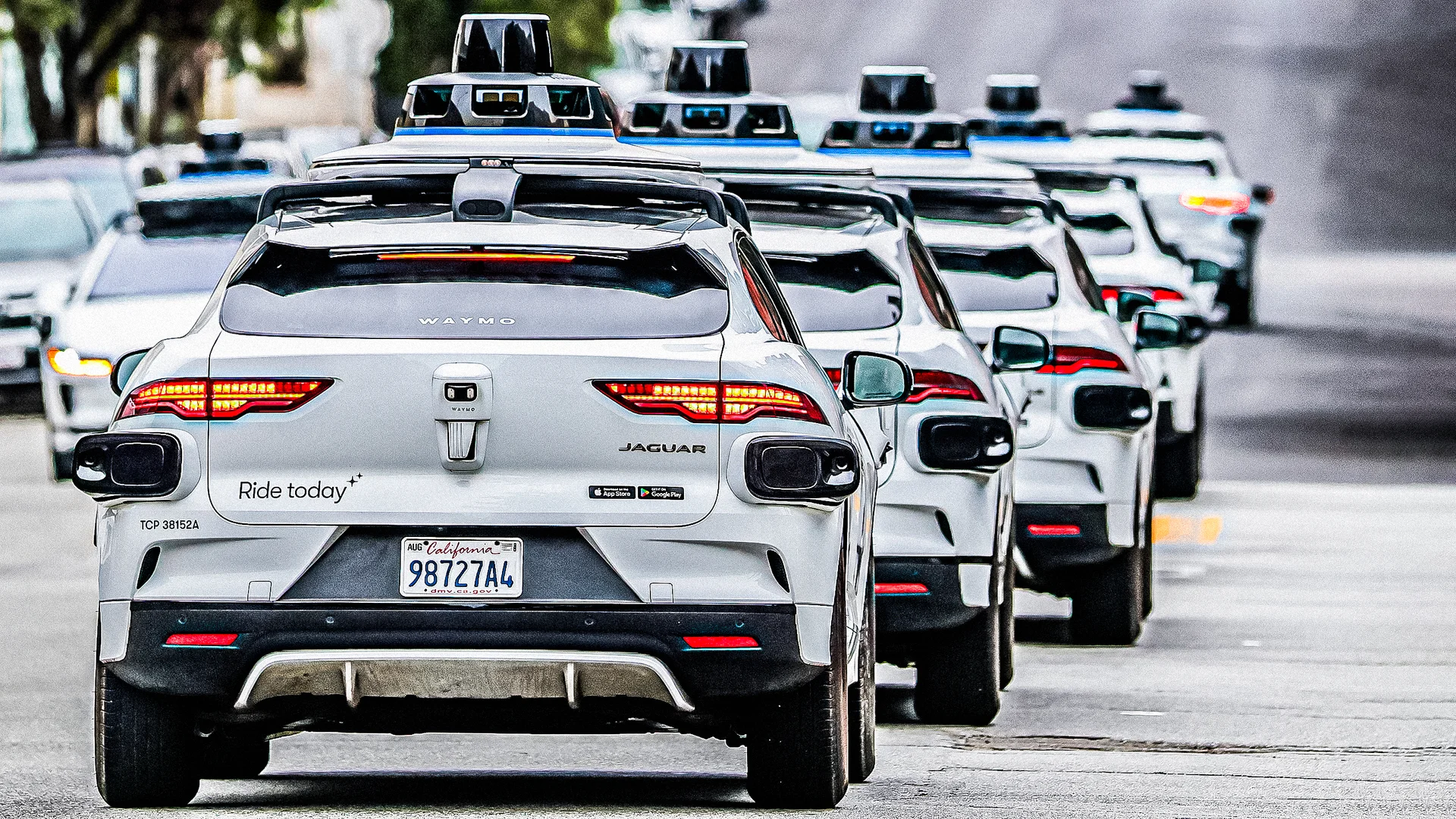
Over the July 4 weekend, Waymo vehicles clogged San Francisco streets near the city’s fireworks celebration. A string of robotaxis, apparently unaware of event-related road closures, worsened the already severe gridlock. The batteries in some of the autonomous vehicles died, requiring them to be towed. At least one Waymo drove straight through a firework. Much of the chaos was documented in videos posted online.
Waymo says many of its vehicles were able to navigate away once the congestion cleared. While the cars are trained to respond to fireworks, the company says it is continuing to learn from what happened over the weekend. Waymo said some road closures had not been communicated and pointed to its successful operations during other large events, including the Super Bowl in Santa Clara and the SXSW festival in Austin.
“Our priority is keeping San Francisco moving safely, especially during major city celebrations. On July 4th, extreme traffic congestion in Northern San Francisco disrupted normal operations for several Waymo vehicles,” Waymo said in a statement. “In coordination with local authorities and emergency services, our roadside assistance team worked quickly to clear our vehicles from the area. Our team is always evaluating ways to strengthen Waymo’s resilience in major traffic disruptions.”
Still, one San Francisco city official tells Fast Company that local government officials remain frustrated with how Waymo vehicles perform during chaotic events. The official said Waymo should have been aware of the road closure and questioned whether a new emergency-response arrangement implemented after last December’s blackout was sufficient. Under that plan, a Waymo employee is stationed at the city’s emergency response department. (Waymo said an employee was on site July 4 and served as a key resource during the event.)
Self-driving in circles
Waymo vehicles are undoubtedly impressive. Hail one of the company’s self-driving cars, and you might find yourself stunned by how smoothly it navigates city streets and stops for cyclists and other vehicles, all while the steering wheel turns and the driver’s seat remains empty.
But as Waymo has become a more prominent presence on city roads-and as the company has removed precautionary safety drivers and transitioned to fully driverless operations-we’re now getting a clearer look at how the cars perform in the real world. A string of recent incidents has raised concerns about how Waymo vehicles operate during large, chaotic public events and emergencies:
- A recent San Francisco blackout left Waymos stalled throughout the city.
- In March, several of the company’s vehicles blocked public safety workers responding to a shooting in Austin.
- Fast Company has previously reported on the strain that Waymo, and particularly its stalled vehicles, has placed on police and transportation officials.
To be sure, the problems Waymo encountered on July 4 do not necessarily negate the potential safety benefits of self-driving cars. They do, however, underscore that vehicles operated by AI and managed as part of a fleet present their own coordination and safety challenges. A self-driving car might work well on an individual trip. That does not guarantee that a company like Waymo is ready to operate large numbers of them amid the disorder of a major city event.
Jeff Tumlin, the former director of the San Francisco Municipal Transportation Agency, tells Fast Company that it’s “too early” for Waymo to be operating during large and chaotic events. Waymo’s driving software, he argues, is designed to come to a complete stop when it gets confused. When many vehicles stop simultaneously, they can create serious problems for city operations.
“Cities have no ability to geo-fence off areas where we know AVs are going to face challenges,” he says. San Francisco cannot restrict the vehicles from those areas on its own, he adds, and cities receive no data on how AVs perform during major events. As a result, he adds, local officials have “very few tools” for identifying the conditions that pose the greatest challenges for AVs-or deciding how cities should invest to address them.
Comments
No comments yet. Start the discussion.