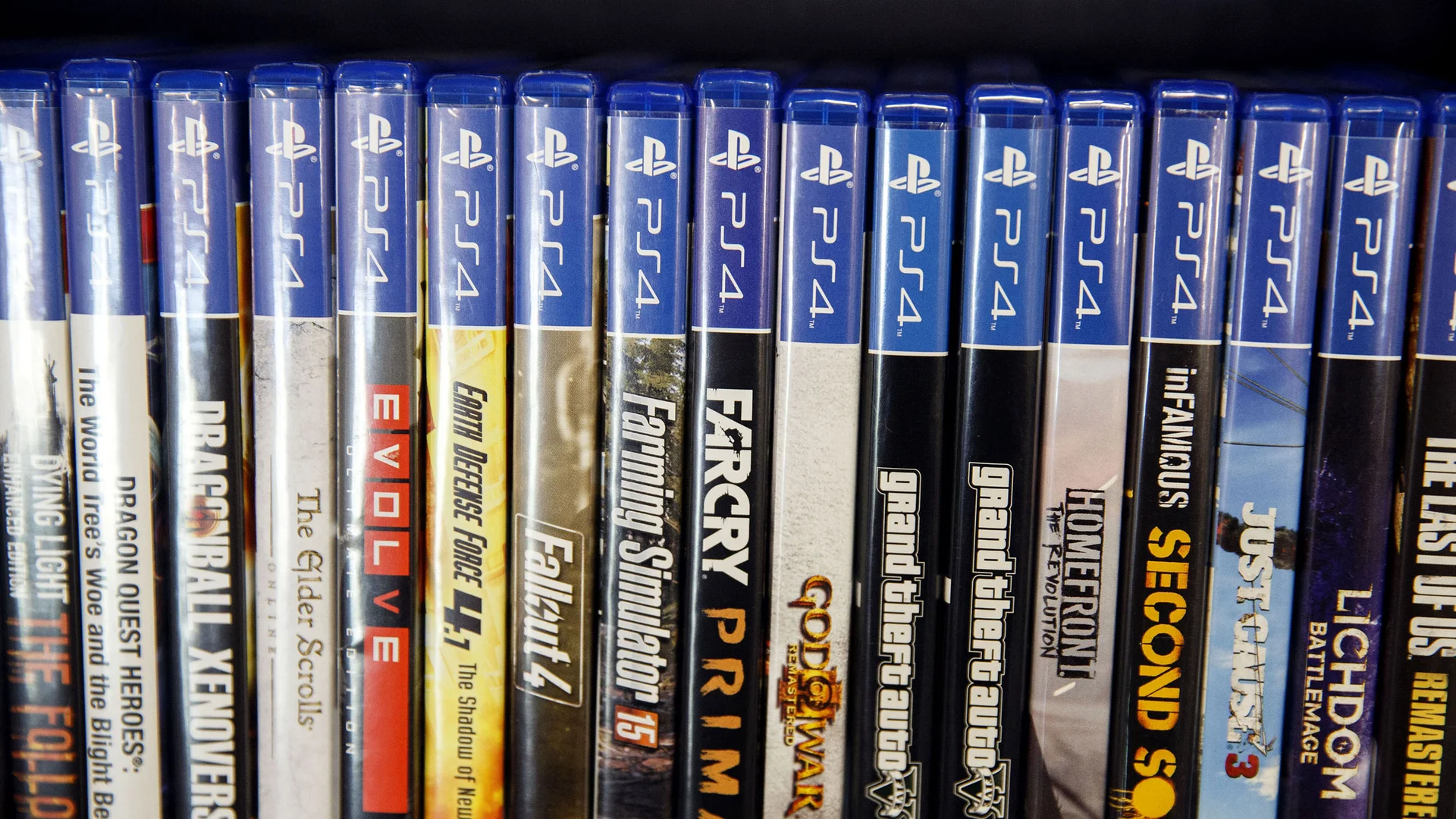
Physical media is dying. So is the idea that you own what you buy
It’s been a long time coming. Physical editions of console games have steadily lost ground to digital versions, and more than one in four PlayStation 5 consoles sold in the United States since launch are now digital-only models, up from 18% in October 2024.
Sony has seen where the market is headed. Beginning in January 2028, the company says it will sell only digital versions of titles through retailers and the PlayStation Store. Sony says the move reflects changing consumer behavior, with players increasingly choosing downloads over boxes on shelves. It’s a “natural direction,” Sid Shuman, senior director of Sony Interactive Entertainment Content Communications, said in a blog post.
That may be true. Downloading a game directly to a console is faster and easier than going to a store or waiting for a delivery to arrive. But it also means consumers have less control over what they buy. That is what makes Sony’s announcement so significant, and so worrying.
The Loss of Control
A physical game can circulate outside Sony’s store. It can be sold by an independent retailer, found in a thrift store, borrowed from a sibling, or kept in a cupboard long after a digital storefront changes its terms. With digital stores, that control is much less certain. Titles can disappear from storefronts. Files can be removed from devices. Access can depend on licensing agreements consumers never saw and cannot negotiate.
That is not a hypothetical concern. It is already happening. And it is happening at the same company now moving PlayStation further toward a digital-only future.
A Concrete Example
Sony has told users that from September they will no longer be able to access previously purchased StudioCanal films and TV content because of licensing agreements. The list runs to 551 titles, including:
- Apocalypse Now: The Final Cut
- Paddington
- Terminator 2
- Bridget Jones’s Diary
- Attack the Block
- Tinker Tailor Soldier Spy
The content, Sony says, will be removed from users’ video libraries “due to our content licensing agreements.” That is a sharp reversal from 2021, when Sony told customers they would still be able to access purchased content for on-demand playback after it stopped selling and renting films and TV shows through the PlayStation Store.
A Changing Bargain
Put that alongside the decline of DVDs and the fragmentation of streaming services, where movies and shows appear and disappear from home screens at will, and it feels like the meaning of “Buy” and “Purchase” is changing for the worse.
There is growing opposition to the rent-or-license model that has become increasingly common in pop culture, gaming, and streaming. In California, a law that took effect in 2025 requires digital stores to be clearer when consumers are buying a revocable licence rather than full ownership. And in Europe just two weeks ago, the European Commission responded to a petition from 1.3 million people to “Stop Destroying Videogames,” focused specifically on what happens to games when console makers and publishers no longer support them. The EU executive body acknowledged that intellectual property and copyright law limit what it can do, but said it would work with industry and consumer groups on an end-of-life code of conduct.
More clarity is badly needed. For decades, the premise behind buying games, VHS tapes, DVDs, and other media was simple. You handed over money, and in return you got the game, show, or movie to keep. That bargain is now breaking down. The receipt in your inbox says you paid. It does not mean you own anything.
Comments
No comments yet. Start the discussion.